


If you're choosing between a stackable set and a collapsible food container, this guide breaks down space-saving, portability, durability, and design — so you can find the best reusable containers for leftovers and meal prep.
Let’s be honest.
Most of us didn’t put much thought into food containers until our cabinets started overflowing… or until we realized how much single-use plastic we were throwing away.
I’m Rachel, founder of BYOB — a minority-owned, U.S.-based brand built around one mission: reduce food and plastic waste without making life harder. I created a collapsible food container because I was tired of packing good food into bad containers — flimsy plastic, cracked lids, bulky stacks that took over my kitchen.
In this blog, I’ll explain how collapsible and stackable food containers compare, which one truly saves space, and what actually makes the best reusable containers for leftovers and meal prep.
What You’ll Learn
-
The real difference between collapsible food containers and stackable sets
-
Which option saves more space in modern kitchens
-
Why portability changes everything
-
How materials impact safety, durability, and sustainability
Space Saving: Which Food Container Actually Frees Up Your Cabinets?
When people search for a collapsible food container, they’re usually looking for one thing: more space.
Let’s compare.
Stackable Food Containers

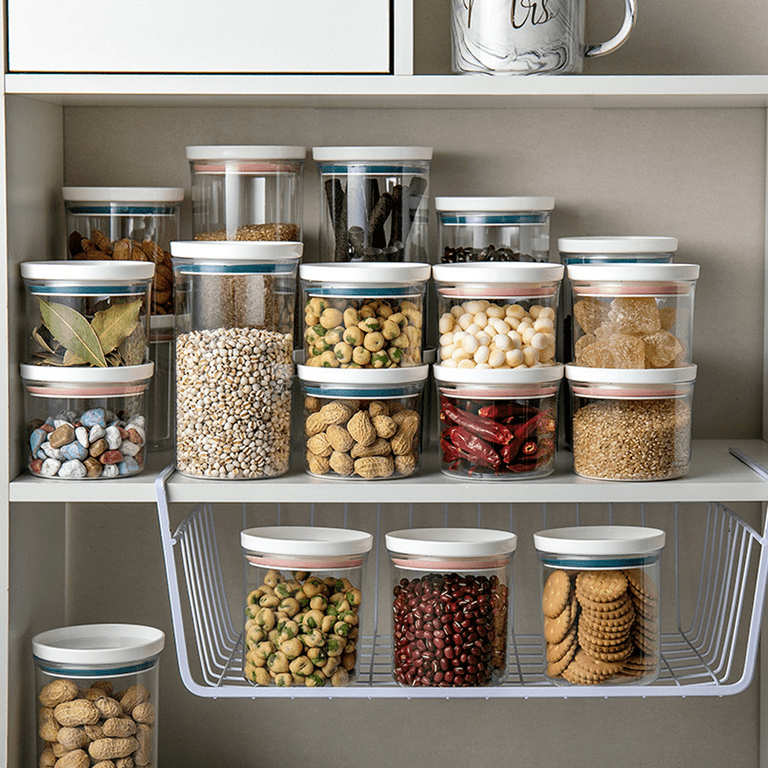


Stackable containers are designed to sit neatly on top of one another when full.
Pros:
-
Clean visual lines
-
Good for pantry-style storage
-
Easy to organize by size
Cons:
-
Take up full space when empty
-
Require matching lids
-
Still bulky in small kitchens
If you live in a compact apartment or shared space, stackable containers don’t shrink to meet your needs.
Collapsible Food Containers

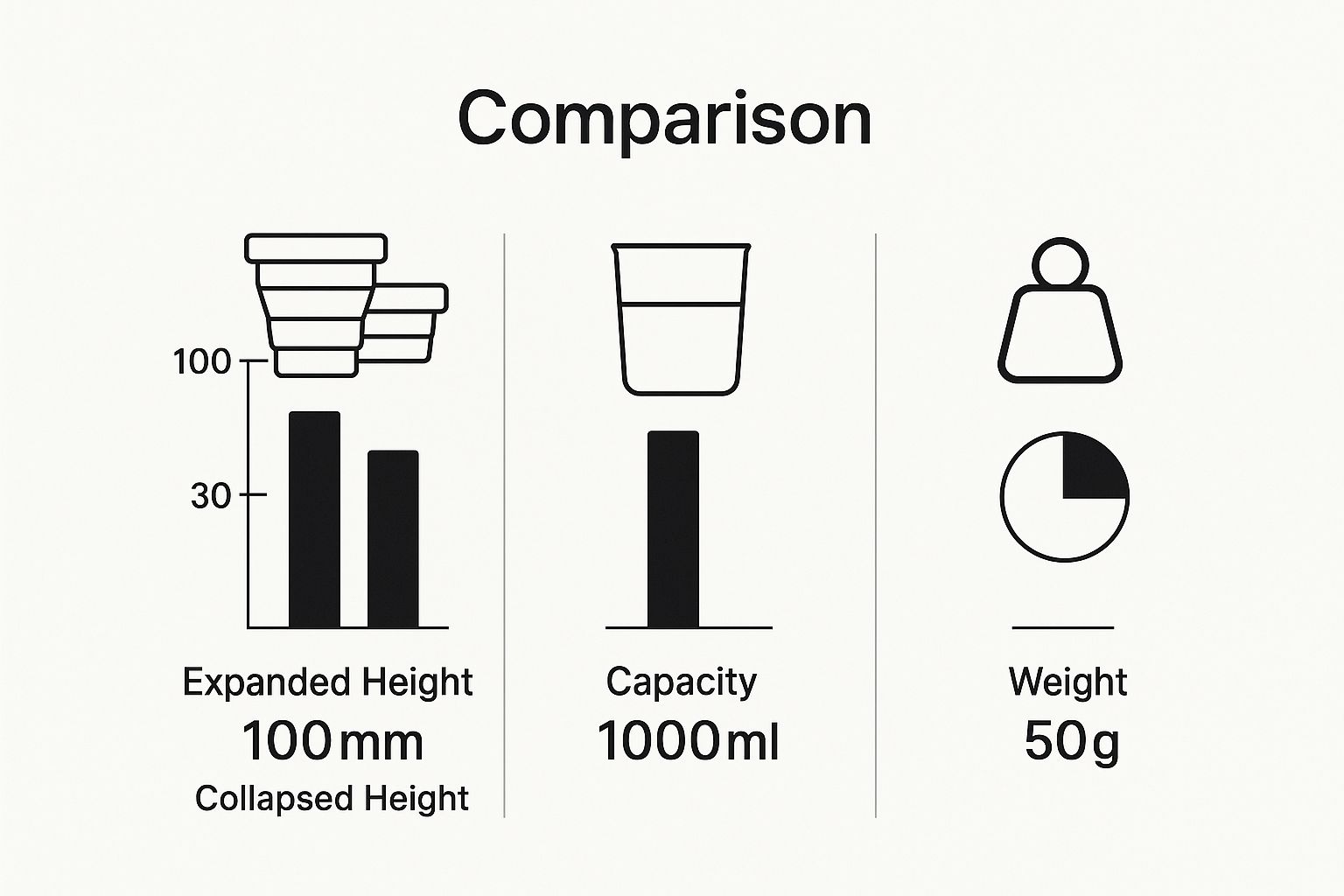
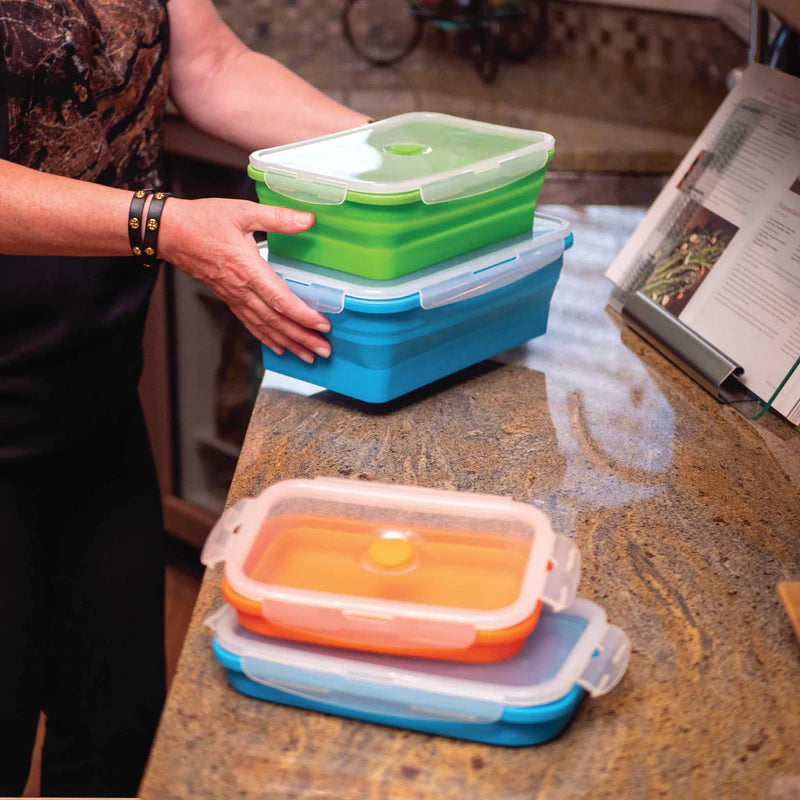
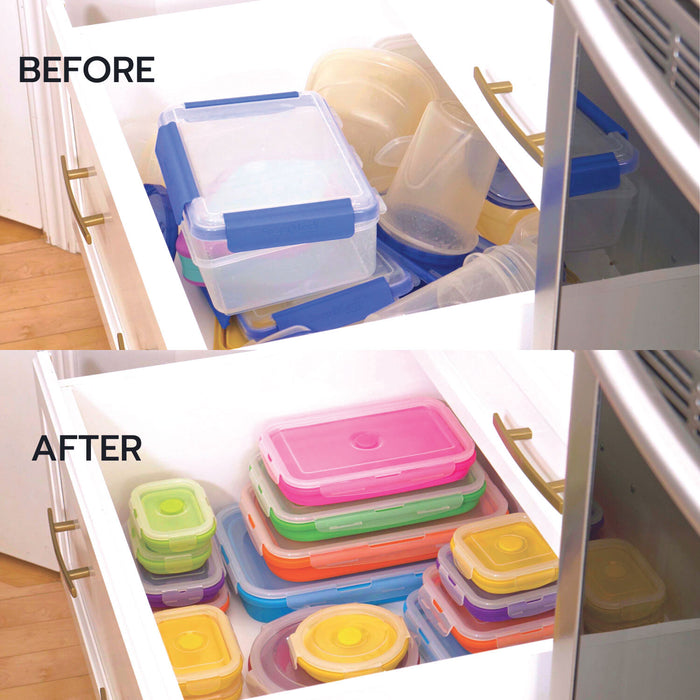
A collapsible food container folds down when empty.
That means:
-
More room in drawers
-
More room in cabinets
-
Easier storage between uses
-
Less clutter
For small kitchens, dorms, RVs, or minimalist lifestyles, collapsible food storage containers simply adapt better.
Winner for Space Saving: Collapsible food containers.
Portability: The Real-Life Test
Food storage isn’t just about your cabinets.
It’s about:
-
Work lunches
-
Restaurant leftovers
-
Travel
-
Picnics
-
Road trips
Stackable Containers on the Go


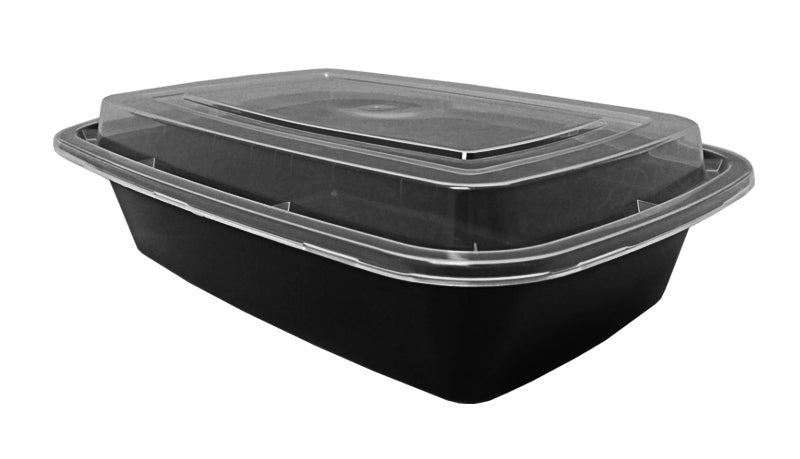
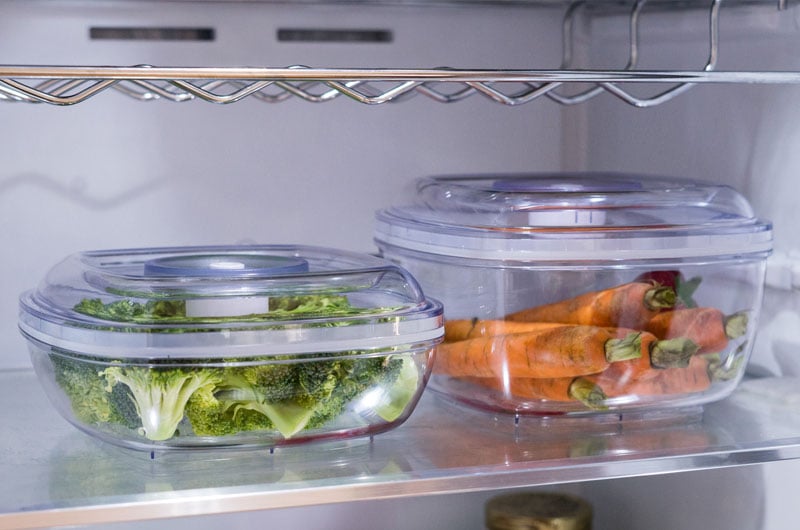
Stackable containers are rigid.
They don’t compress.
They don’t adapt.
They don’t slide easily into smaller bags.
Glass adds weight. Plastic can warp.
They’re fine for fixed meal prep — not great for mobility.
Collapsible Food Container for Travel & Leftovers


A silicone collapsible food container was designed for movement.
Empty? Collapse it and tuck it into your bag.
At a restaurant? Expand it and skip single-use packaging.
Finished? Collapse it again if needed.
This is why collapsible containers are becoming one of the best reusable containers for leftovers and meal prep — especially for people who eat out but don’t want disposable waste.
And when the lid is attached?
No hunting for missing pieces. No mismatched chaos.
Winner for Portability: Collapsible food containers.
Durability & Material: Why Silicone Matters
When researching a collapsible food container, safety is often the next concern.
Stackable Plastic or Glass Containers
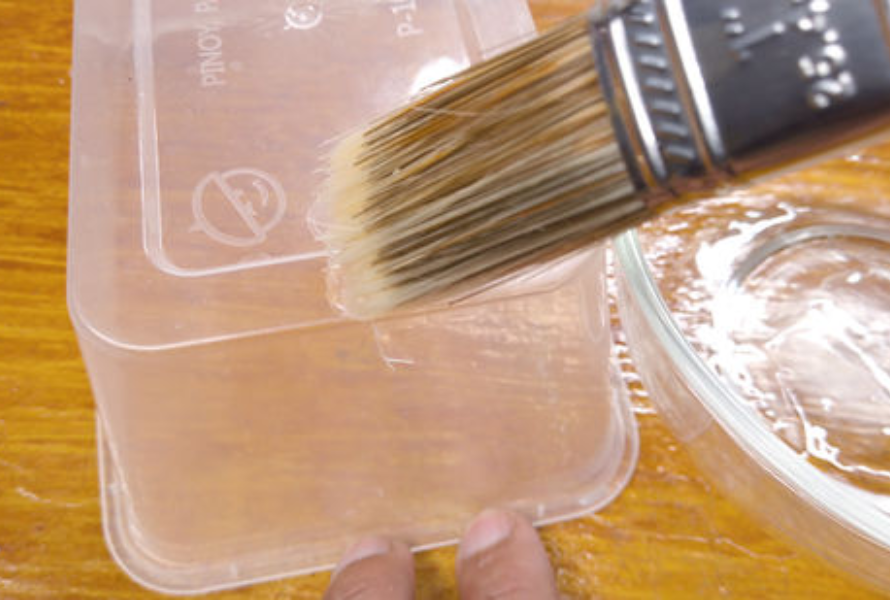

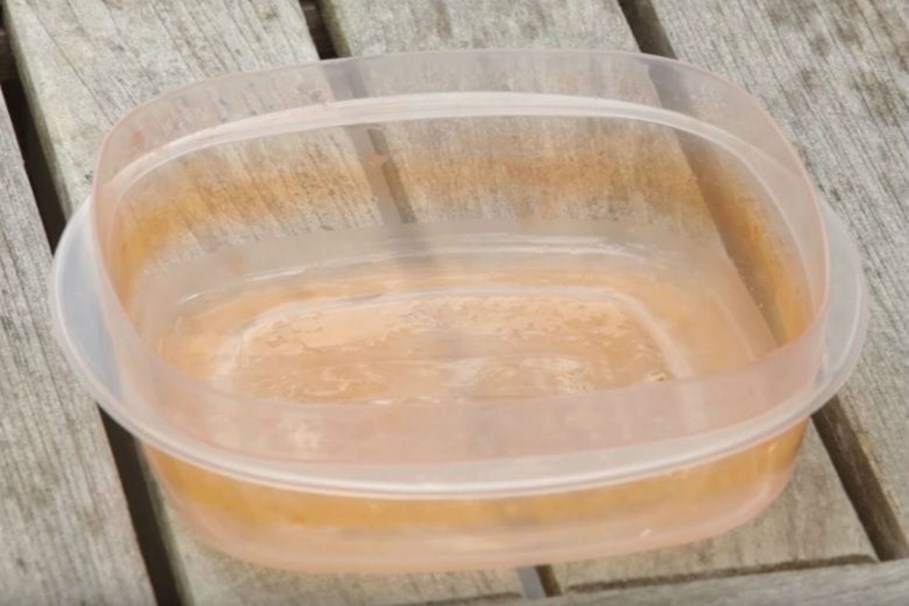
Plastic:
-
Can warp in heat
-
Can stain
-
May degrade over time
Glass:
-
Breakable
-
Heavy
-
Less travel-friendly
Neither was designed for flexibility.
Silicone Collapsible Food Containers


High-quality platinum silicone offers:
-
Flexibility without cracking
-
Oven safety
-
Microwave safety
-
Dishwasher safety
-
Long-term durability
A well-made silicone collapsible food container can last for years — which makes it one of the strongest modern tupperware alternatives available today.
Winner for Durability: Premium collapsible food containers.
Aesthetics: Because Yes, It Matters
Modern consumers want function and form.
Stackable sets often look utilitarian.
A thoughtfully designed collapsible food container can feel elevated — clean lines, semi-transparent materials, modern colors.
When people stop you at a restaurant and ask where you got it, that’s when you know you’ve upgraded from basic storage to a lifestyle tool.
And behavior change is easier when something looks good.
Side-by-Side Comparison
Here’s a clear breakdown:
| Feature | Collapsible Food Container | Stackable Container |
|---|---|---|
| Space Saving | Folds flat when empty | Takes up full size always |
| Portability | Lightweight & flexible | Rigid & bulky |
| Lid Design | Often attached | Separate lids |
| Material | Silicone | Plastic or glass |
| Best For | Travel, leftovers, small kitchens | Pantry storage |
| Sustainability | Replaces single-use containers | Mostly home use |
Why BYOB Wins as a Collapsible Food Container
I didn’t build BYOB to compete with disposable culture.
I built it because I wanted a modern tupperware alternative that:
-
Reduces single-use food packaging
-
Looks beautiful on your table
-
Fits in your purse
-
Uses premium, non-toxic materials
-
Is designed by a minority-owned, independent U.S. business
BYOB is a collapsible food container with an attached lid, made from platinum-grade silicone, built for restaurant leftovers and everyday meal prep.
Women tag us on Instagram showing it at cafés, buffets, farmer’s markets, even airplanes. Reviews call it a “game changer.”
That’s not marketing fluff.
That’s function meeting form.
FAQ: Collapsible Food Containers
Are collapsible food containers safe?
High-quality silicone collapsible food containers made from platinum-grade silicone are considered food-safe and designed to withstand heat. Always verify material certifications when choosing a product.
Do collapsible food containers leak?
Leak resistance depends on lid design. Containers with secure, well-engineered lids — especially attached lids — are designed to create a tight seal.
Are collapsible food containers better than stackable ones?
For portability and space-saving, yes. For fixed pantry storage, stackable may be sufficient. The better option depends on your lifestyle.
Are collapsible food containers good for meal prep?
Yes. They are especially useful for meal prep if you value flexible storage, travel convenience, and compact kitchen organization.
So Which One Is Actually Better?
If your containers never leave your kitchen shelves, stackable may work.
But if you want:
-
A space-saving solution
-
A portable option for leftovers
-
A durable, long-term material
-
A stylish modern tupperware alternative
-
One of the best reusable containers for leftovers and meal prep
Then a collapsible food container is likely the smarter choice.
Living Better with BYOB
I started BYOB because I was tired of watching our planet get buried under plastic. I wanted a better solution — one that didn’t just work, but looked and felt good too. If you’re ready to make the switch to smarter, more sustainable living, I’d love for you to try BYOB.
You can shop the full collection [here] and follow us on Instagram for real-life inspiration.


